Continuation of the discussion, concretisation of the impact of key target groups and project monitoring and reporting
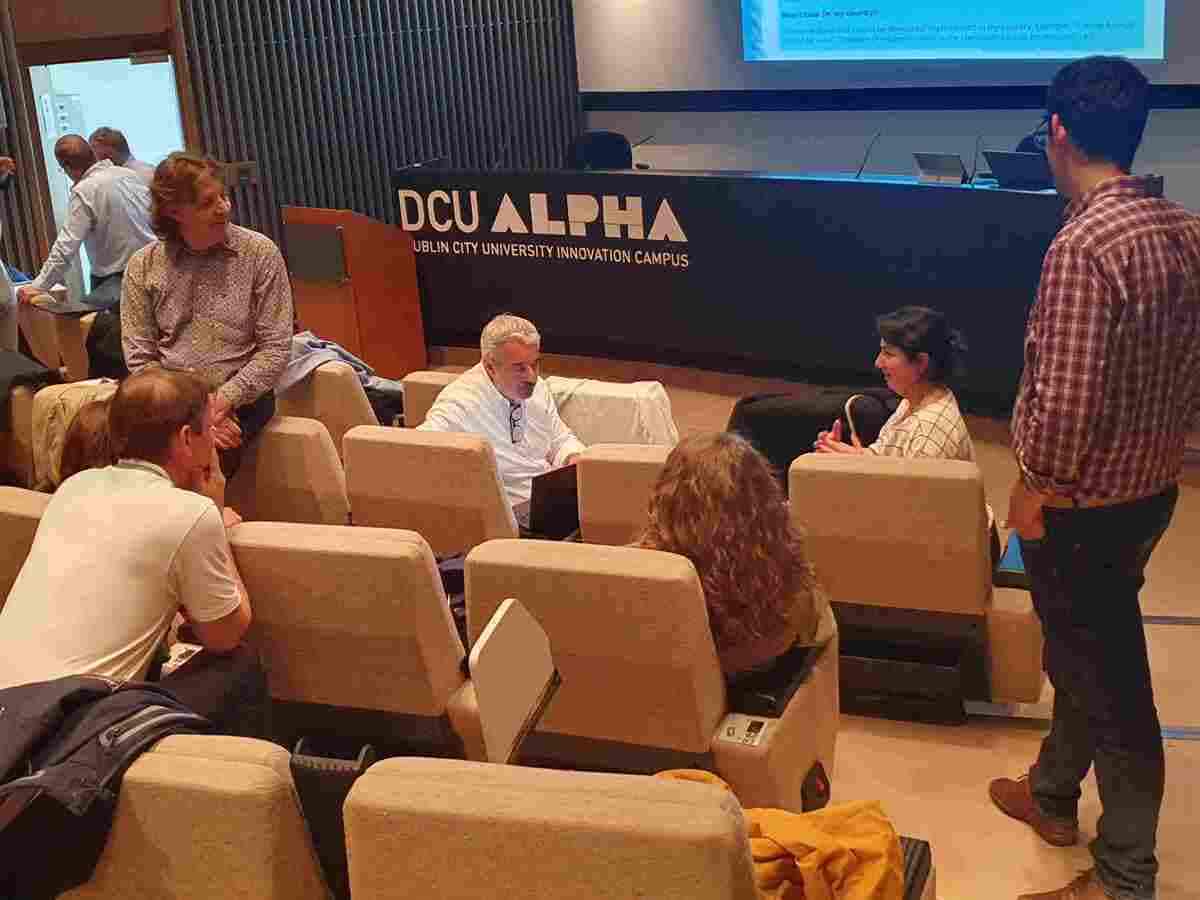
The second day of the meeting was dedicated to an in-depth reflection by the participants on the impact, exploitation of results, and long-term sustainability of the project (WP6, coordinated by the Ministry of Education Slovenia). In the workshop titled “Impact, Exploitation, Sustainability,” participants in groups identified the short-term, medium-term, and long-term effects of the project, key stakeholders, and protocols for measuring impact. They also developed proposals for content, organisational, and financial models and structures that would enable further development after the project’s completion. All findings were collected on the Miro board and will serve as the basis for further work.
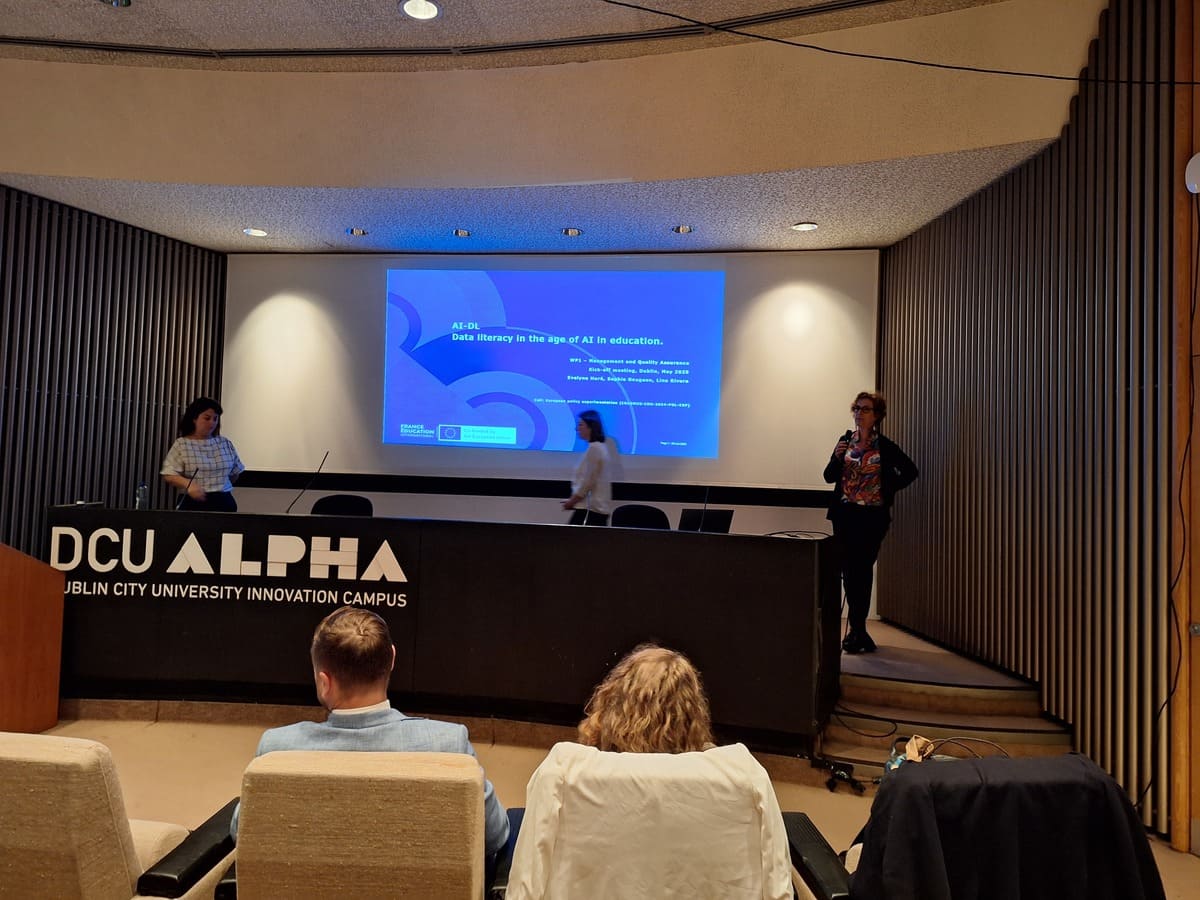
A final section of the meeting focused on project management and quality assurance (WP1, led by FEI). A management manual was introduced, detailing guidelines for communication, reporting, use of the TEAMS platform, and monitoring of financial and substantive progress. The project uses a lump-sum funding model, meaning that the success of individual work packages directly affects the final payment amount. Additionally, a framework for quality control and risk management has been established, including regular reports, questionnaires, and external evaluations.
By 2028, the AI-DL project will significantly contribute to the development of innovative approaches to teaching and learning in the digital age, with an emphasis on the responsible, ethical and democratic use of data and technologies in education.